
You’ve probably seen them before—two buttons on a toilet instead of the usual single handle. While they may seem like a quirky modern feature, these dual-flush buttons serve a much bigger purpose than just offering two ways to flush. In fact, they’re a smart, eco-conscious design created to save water and reduce waste. Yet surprisingly, many people still don’t use them correctly.
Let’s break down how dual-flush toilets work, why they matter, and how you can use them to make a positive difference—for your wallet and the planet.
What Is a Dual-Flush Toilet?

A dual-flush toilet is designed with two separate buttons, each connected to different flushing mechanisms. One button uses less water (for liquid waste), while the other uses more (for solid waste). This design allows you to choose the right amount of water needed, helping to conserve water every time you flush.
A Little History

The concept of dual-flush toilets was first proposed by American designer Victor Papanek in his 1976 book Design for the Real World. Australia, a country often affected by drought, was the first to put the idea into practice in 1980. Since then, the design has gained popularity around the globe as a simple but powerful water-saving solution.
How Much Water Can You Save?

The impact of dual-flush toilets is impressive. Households that switch from traditional single-flush systems to dual-flush models can save up to 20,000 liters of water per year. That’s a win for the environment—and for your water bill.
The Benefits: Environmental & Financial

Yes, dual-flush toilets may cost a bit more upfront, but they quickly pay for themselves. By using less water, you reduce the burden on your local water supply and wastewater systems, contributing to sustainability. And since your water bill is based on how much you use, you’ll also see savings over time.
So, Why the Confusion?

Despite being fairly common, many people don’t fully understand how to use these toilets. Without clear instructions, users often press the larger button by default, even when it’s not needed. This defeats the purpose of water conservation and contributes to unnecessary waste.
How to Use a Dual-Flush Toilet the Right Way

Here’s the simple breakdown:
- Smaller Button: Use this for liquid waste. It’s designed to use minimal water—perfect for quick flushes.
- Larger Button: Use this for solid waste. It releases more water to clear the bowl thoroughly.
Some toilets use symbols (like a half or full circle) to make it easier to identify which is which.
Why It Really Matters
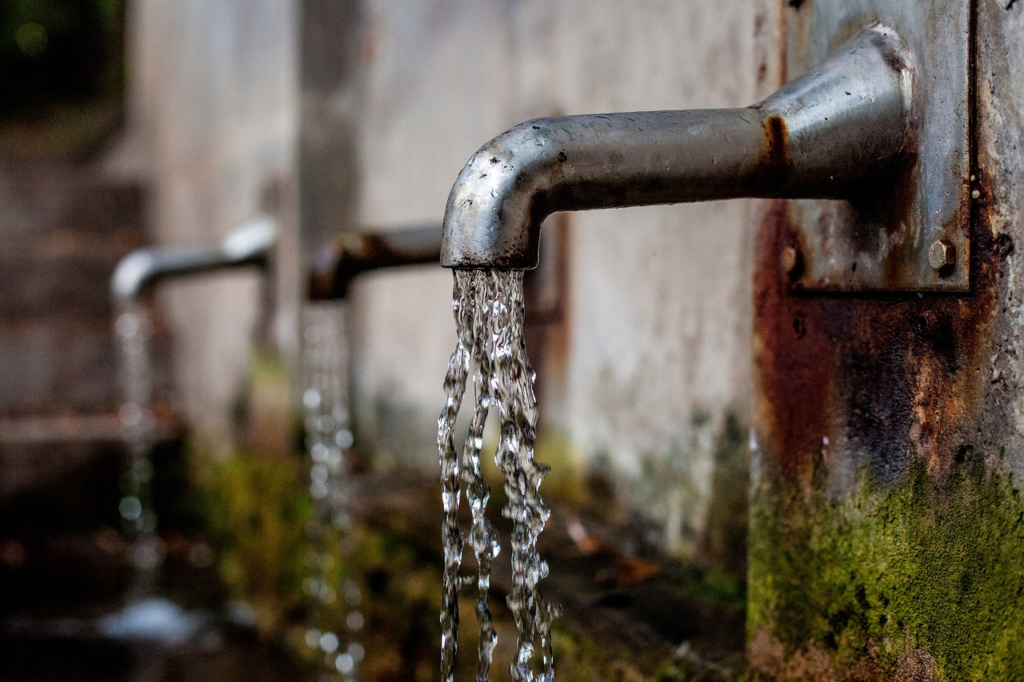
Fresh water is a limited resource, and every drop counts. By simply pressing the right button, you help conserve water, reduce your utility costs, and support broader efforts to combat climate change and resource scarcity.
Not Just About Flushing

Dual-flush toilets are more than just a sleek upgrade—they represent a smarter, more sustainable approach to everyday life. So next time you’re in the bathroom and see those two buttons, remember: this is your chance to help the planet, one flush at a time.